Racing, hospitality and housing are all things Australians enjoy. But combining them into a single entity has not been easy for Tony Palmer. From the February 27 innovation issue of the Australian Financial Review.
Nürburgring in Germany, Spa-Francorchamps in Belgium, Mount Panorama at Bathurst in the NSW Central Tablelands. The world’s iconic racetracks all have a common element, says Tony Palmer, and his racetrack – on the site of a former coal mine outside Newcastle – will become one of them.
“The most famous tracks in the world are all a piece of ribbon laid on topography,” he says. “These are all roads that have been laid into the landscape, not a flat piece of land.”
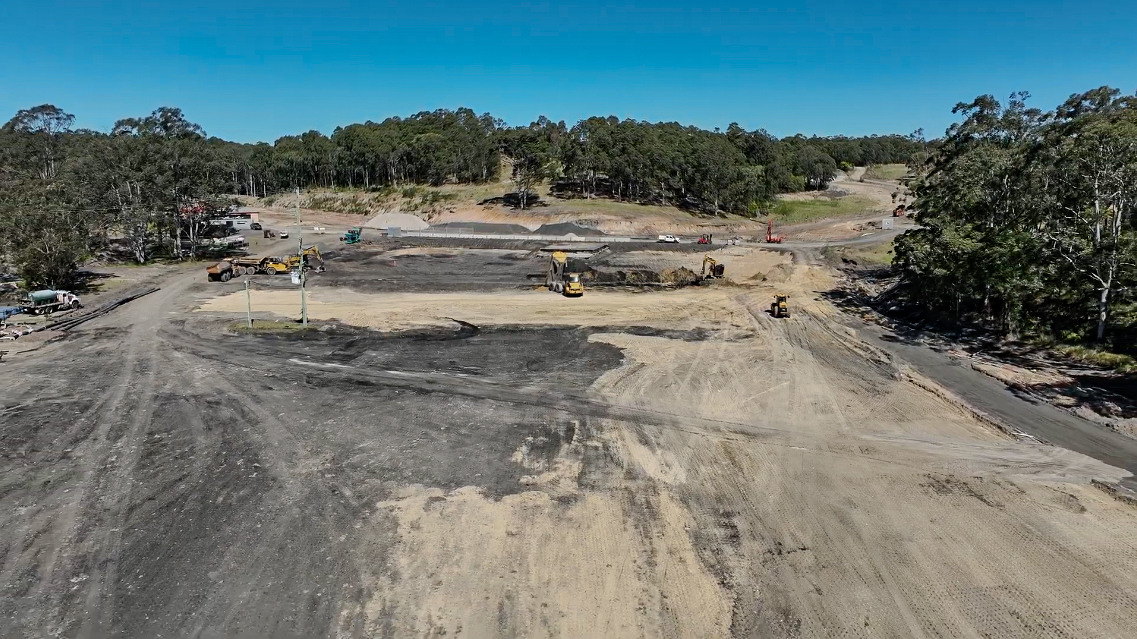
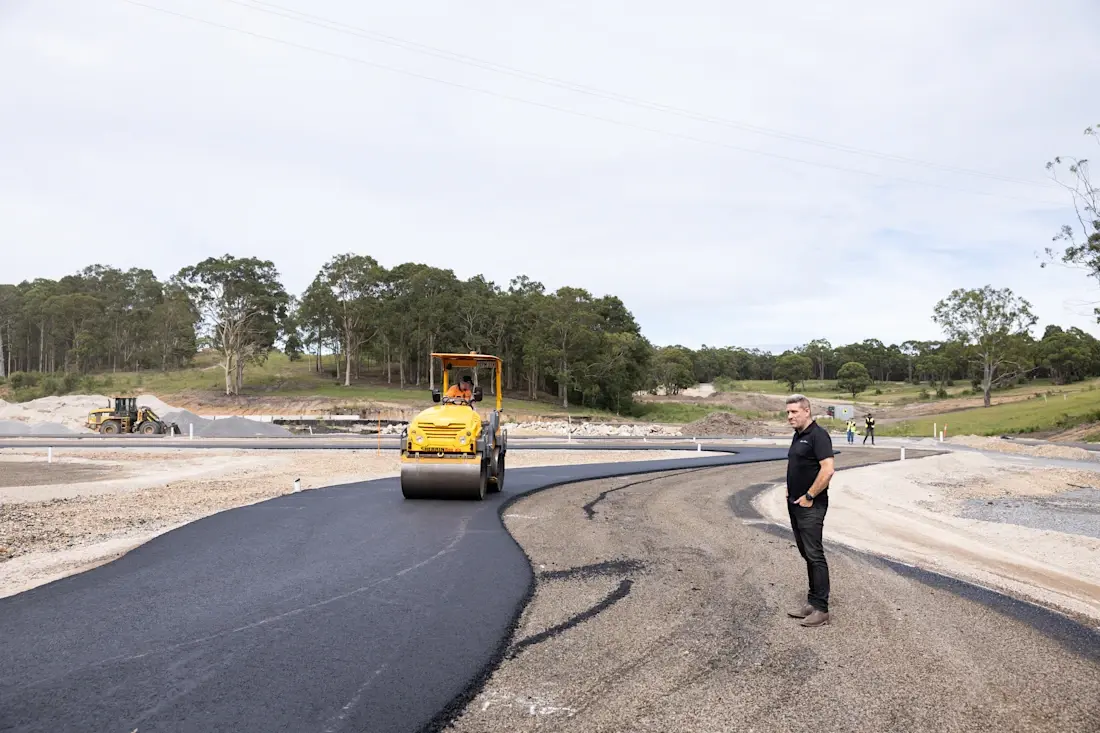
In 2016, Palmer, a car enthusiast and former marketer, acquired a disused coal mine at Wakefield west of Newcastle, the 252-hectare Rhondda Colliery. He’s now building a 5.4-kilometre track and skidpan (for practising in slippery conditions). The track will be FIA Grade 2, meaning it meets safety and technical standards for racing up to Formula 2, but not Formula 1.
“We will be one of the few in the world that has been able to use the natural rise and fall of the land and lay the track on top of it,” he says. How fast can drivers go? “As fast as their cars will allow them. If you were driving a GT3 Porsche, it would be up towards the 240km/h mark.”
But it’s not just a racetrack. With Black Rock Motor Resort, Palmer has embarked on an Australian first – a club for motoring enthusiasts who can also stay in the trackside hotel, or network in the upmarket co-working space operated by entrepreneur Soren Trampedach’s Florence Guild. There’s a facility for servicing cars and a venue for corporate events.
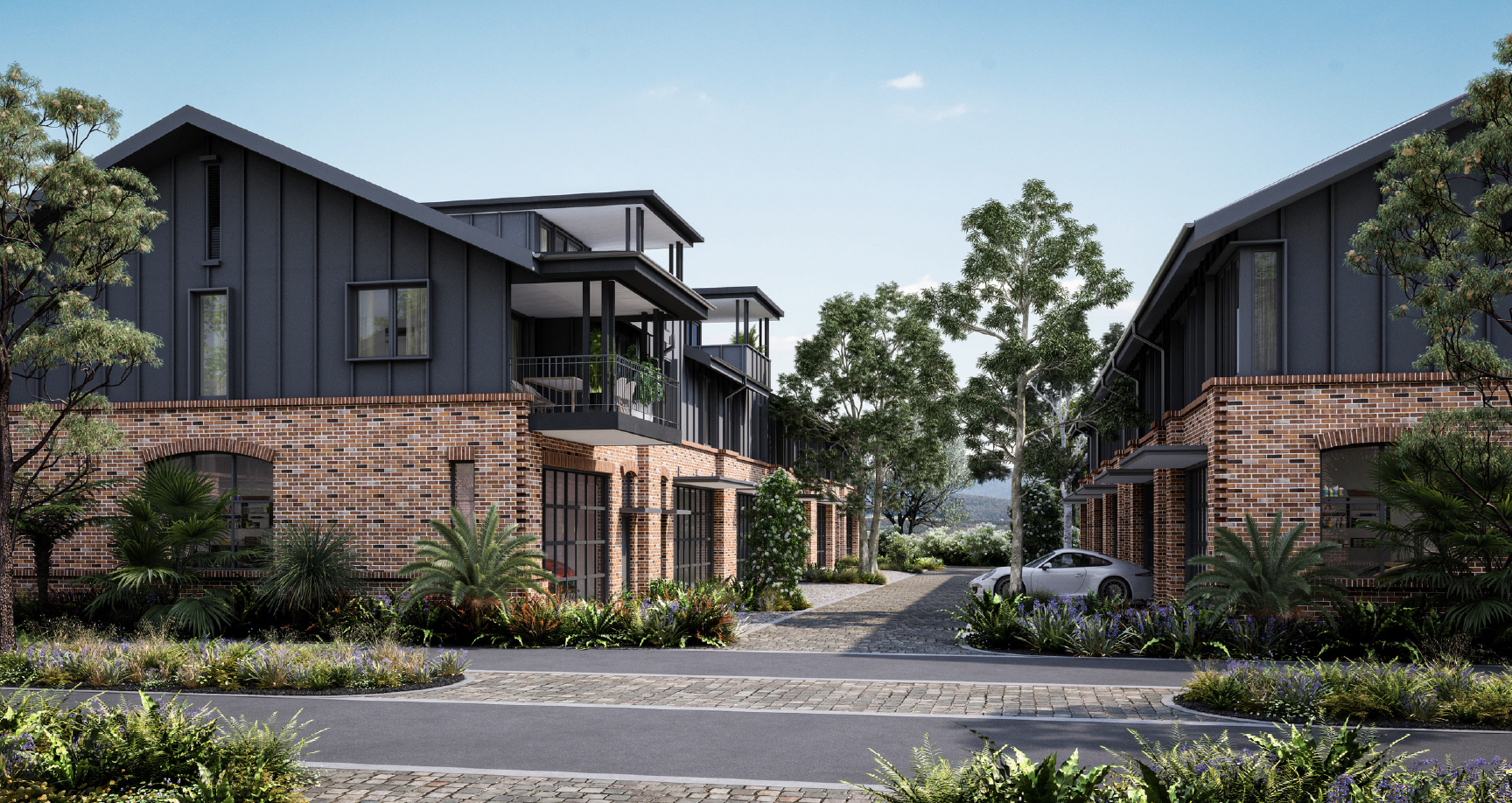
And if people fall madly in love with motorsports, they can move into one of 64 four-bedroom villas, each with its own four-car garage. “If you can have a golf resort for golfers and you can have a ski resort for skiers, why can’t you have a driving resort for drivers?” Palmer says. Funders, however, have been harder to convince.
Private racetracks aren’t new. Ascari Club in southern Spain pioneered the idea in 2003, pairing a high-end course with facilities for members such as a restaurant and a trackside pool. Magarigawa in Japan’s Chiba and New York’s Monticello Motor Club are other examples. But as Palmer’s Black Rock Motor Resort is the first of its kind in Australia, Palmer and his business partner, property developer Richard Gillis, had to break down the project into its different parts to get the money they needed.
The villas – 20 of the 64 have been sold so far, with a current price of $3.5 million – and hotels were easy to model the risk and return. The racetrack was a harder proposition. “When it comes to a piece of tar, it’s more like an expensive toll road,” Palmer laughs. “Like tee times are to a golf resort, track time is to a track. If you’re selling half-day slots on a track, you very quickly run out of inventory. Or if you’re selling full days on track, you very, very, quickly run out of inventory. So the trick is, how do I break the inventory into smaller components and sell to a broader marketplace? Theoretically, I’ve got enough experience to know how to do that."
Palmer’s been a petrolhead since selling digital marketing business C4 Communications, which he and Gillis had founded, to ASX-listed Photon Group (now Enero Group) in 2007. An invitation to a track day at Sydney Motorsport Park prompted him to turn up with his Alfa Romeo GT, a road car. He’d never been on a track. “I came in and my car was cracking and popping and making all these weird noises, the brakes were smoking and tyres were shredded, and I had this massive smile on my face,” he says. “And I was like, oh my god, this is the best thing I’ve ever done.”
He set up an events business, selling experiences in racing cars at Sydney Motorsport Park, formerly known as Eastern Creek Raceway, in western Sydney, and later co-founded The Formula Company, which won a five-year tender to operate those driving experiences. That opened his eyes to businesses based around racing and motorsports. In 2015, he came across the Wakefield site, a coal mine that opened in 1900 and ceased operating in 1971. Gillis, who brought property expertise to the project, came on board in 2017 and they set about getting development approval.
But it’s been costly. Upfront costs – for development approval, mine lease relinquishment and geotechnical work to investigate and remediate potential risks such as subsidence – made it “a $20 million piece of land”, Palmer says. And while the duo had hoped to finance the project costing $190 million purely through debt, they ended up selling a minority equity stake to non-bank lender Balmain in August.
“We felt that we had added enough value to the project and to the land that taking a small amount of equity at this point off the table was worth it,” Palmer says. “It stabilised the finances of the whole model because we’re not immediately switching on a heavy debt bucket.”
With that, Palmer can focus on developing Australia’s first private racetrack, with its 165 metres of elevation change, creek crossings and banked corners. The project is due to open mid-next year. Much of the track follows the old fire tracks from the site’s mining years, as they themselves were shaped by natural water run-off, Palmer says.
“We mapped every single fire trail on the track, and from a top-down view, went, ‘if you link here and do this and do that and go, and then you walk it, you’re like, oh, my god, I can see the corner here’. That’s going to be incredible.”
Read the article on the Australian Financial Review
MORE STORIES